Most Active and Loyal Football Ultras in Europe
-
 Written by
Dalius Mikalauskas
Written by
Dalius Mikalauskas -
29 Jan 202614 min. read

Ultras are passionate and organized fanbases that play a central role in football culture. Their loyalty and presence are one of the most important parts on matchdays, creating a memorable experience with chants, visuals, and pyrotechnics. More than just supporters, ultras also shape a club’s identity, creating a deep connection between players and fans.
For bettors, understanding the influence of ultras can lead to more accurate predictions, as their support often results in more goals, fouls, and cards. That’s why in this text, we explore the role of football ultras in both football and betting.
Table of content
Key Takeaways
- Ultras stay loyal even in tough times, strengthening the fan-player bond.
- They create choreographies and tifos, adding to the matchday atmosphere.
- Their energy impacts referees and match intensity.
- They travel in large groups, boosting their team’s away performance.
- Ultras influence betting outcomes, particularly in goals and cards markets.
- In European competitions, ultras can level the playing field for away teams.
Top Ultra Groups in Europe – Country by Country
In European football, each country has its own set of ultra groups that are known for their passion, influence, and never-ending support. These ultras are not just fans; they are the heart of their clubs’ identity, often even providing a strong mental support to their team.
Poland – Żyleta & Kolejorz
Żyleta stands among the best football ultras due to their impact on European football. These ultra football fans forced UEFA to apply new pyrotechnic regulations after their 2016 Champions League display against Real Madrid caused a 15-minute delay, while their 131-decibel noise levels remain unmatched in Polish football.
Kolejorz earned legendary status by creating the globally-adopted “Poznań celebration,” now performed by football fans in over 40 countries, including Premier League stadiums. Their power among European ultras lies in organizing Poland’s largest away support (18,000 fans to Berlin, 2008) and keeping a 47-year continuous presence in matches since 1961.
Serbia – Delije & Grobari
Delije dominates Europe’s ultras culture through intensity that shows crazy football fan dedication. They even hold the record for the largest single-match choreography (45,000 fans covering 55,000 square meters) and generated the loudest recorded crowd noise among football ultras at 134.2 decibels. The fan club exists not only in Serbia but also across Europe, making it the most internationally organized ultra supporters.
Grobari achieved top-tier status by surviving Yugoslavia’s collapse while expanding its influence. They introduced the “Brotherhood Network” connecting 47 ultra groups across Eastern Europe and were the first to organize international ultra exchanges. The club’s reputation comes from creating the “Eternal Derby” atmosphere that UEFA officials describe as “unparalleled intensity”.
Turkey – UltrAslan & GFB
UltrAslan is Galatasaray’s ultra group, known for their fiery support and intimidating presence. Their chants and pyrotechnics create one of the most intense atmospheres in Europe. Their elite status comes from forcing 17 different visiting teams to change pre-match routines specifically for Galatasaray games, with Manchester United’s Ferguson calling them “intimidation perfected” among the best football ultras.
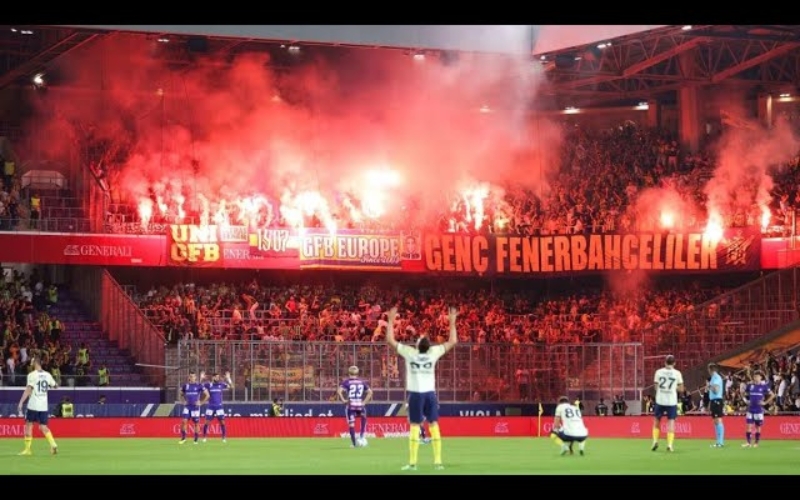
GFB is Fenerbahçe’s most famous ultra group. GFB fan club’s support is equally intense, with fierce rivalries against Galatasaray fueling their energy. Their top-tier status among football fan groups derives from organizing the continent’s most expensive away support operation, spending over 500,000€ for 3,000 ultra football fans to reach the 2008 Champions League quarter-final in Chelsea.
Greece – Gate 7 & Gate 13
Gate 7 dominates Greek football ultras culture through political influence and organizational power, which shows crazy football fan dedication. They also maintain Greece’s largest ultra supporters membership (78,000 registered members). Gate 7 power among Europe ultras comes from being the only football fan groups to influence government sports policy, successfully pushing for the 1997 Fan Rights Protection Act.
Gate 13 achieved best ultras status through cultural impact and longevity that defines fanatic football fans. Their top-tier reputation among ultra football fans comes from staging the 1985 “Green Revolution” protest that led to democratization of Greek football governance. Gate 13 also remains as one of the committed football supporters club.
Italy – Curva Sud & Curva Nord
Curva Sud represents Italy ultras’ excellence through artistic and cultural influence that sets the standard for the best football fanbases. They created the “choreographic storytelling,” and the “Rossoneri Academy” that has trained ultra supporters leaders for 34 international groups. Their domination among football ultras lies in staging the most expensive fan display in football history and maintaining 58 years of continuous support.
Curva Nord achieved top status among Italy’s ultras through proper organization and social impact that defines the best fans in football. They gained elite reputation within fanatic for the “Nerazzurri Foundation” that has donated 12€ million to charity since 1975, making them the most socially influential ultra football fans.
Germany – Yellow Wall (Südtribüne) & Schickeria
The “Yellow Wall” at Borussia Dortmund’s stadium is one of the most iconic ultra groups in Europe. The Südtribüne is the largest standing section in Europe, creating a breathtaking view and energy during the game. The passion of the Dortmund fans is unmatched, with a culture of fan ownership and unity.
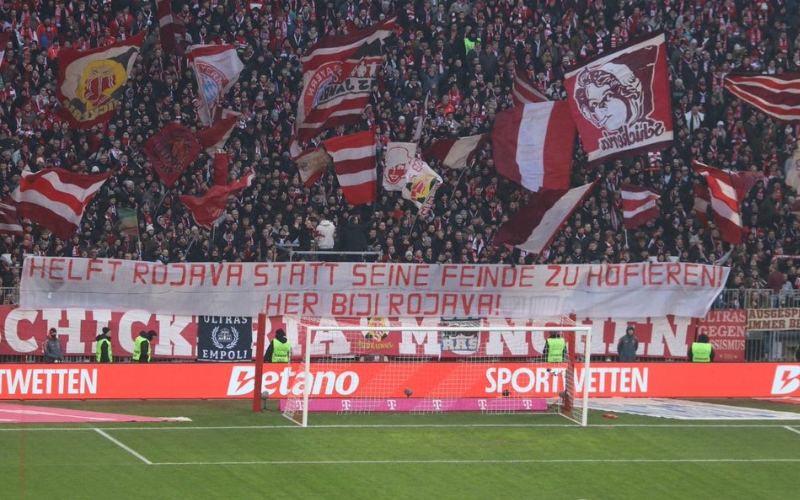
Schickeria is Bayern Munich’s ultra group, known for its well-organized displays and intensity. They are also popular for their incredible coordination and contribution to the overall fan culture at Bayern Munich matches, whether home or away.
France – Virage Nord, Virage Sud & CUP
Virage Nord and Virage Sud are the two main ultra groups supporting Olympique de Marseille. Known for their passionate support, these groups are the backbone of Marseille’s football culture. Their elite status among europe ultras comes from generating the highest economic impact of any French football fan groups and organizing Europe’s most ethnically diverse ultra supporters movement.
CUP, the ultra group of the Paris Saint-Germain team, is one of the most important and organized fan groups in France. This can be seen from an example, where CUP ultra fans staged the longest continuous tifo display in football history (127 minutes against Barcelona). They’re also France’s largest club with the most intense vocal support.
Spain – Frente Atlético & Biris Norte
Frente Atlético leads Spanish football ultras culture through historical significance and resilience that defines fanatic football fans. They survived Franco’s dictatorship using coded anti-fascist chants and created the “Working Class Ultra” movement. Frente Atlético fan club is also Spain’s oldest and most intense ultra group, with aggressive chants and fierce energy.
Biris Norte, supporting Sevilla FC, is another highly organized and dedicated ultras group. Their intense support is most obvious during El Gran Derbi against Real Betis, where their tifos and chants fill the stadium. They’re considered one of the top-tier football fan groups because of their created “Green Economy” model and 1982 “Andalucía Libre” banner that influenced regional democracy movements.
Croatia – Bad Blue Boys & Torcida
Bad Blue Boys is the ultra group supporting Dinamo Zagreb, and they are widely viewed as one of the most respected fan groups in the Balkans. They played a crucial role in Croatian independence by staging the first public display of Croatian symbols in 1990, risking arrest under Yugoslav law. Bad Blue Boys are also known for their devotion, strong vocals, and massive choreographies.
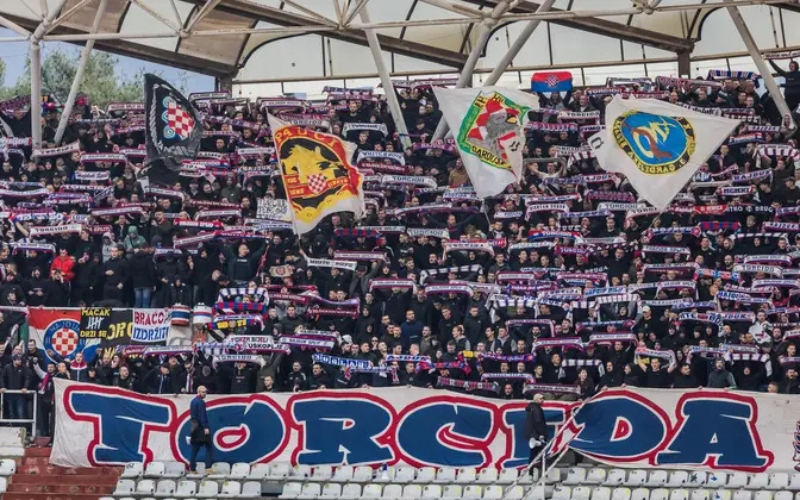
Torcidais one of the oldest ultra groups in the world and the most famous supporter group of Hajduk Split. Founded in 1950, they created various movements and became the template for modern ultra-supporter culture. Torcidais are also officially recognized by UNESCO as an “Intangible Cultural Heritage” representing Dalmatian identity, making them the only football fan groups with international cultural protection status.
Romania – Peluza Nord & Peluza Cătălin Hîldan
Peluza Nord, the ultra group supporting FCSB (formerly Steaua Bucharest), is among the most recognizable groups in Romanian football. They’re a core part of the FCSB’s identity with chants, organized tifos, and unique displays. Peluza Nord ultras also received national recognition for anti-communist resistance and their loyalty to the club, even during challenging seasons.
Peluza Cătălin Hîldan is an ultras fan club of the Dinamo Bucharest football team. Their name is a tribute to Cătălin Hîldan, a beloved player who passed away in 2000, who also became a reason why ultras created the “Forever Young Foundation” that has influenced sports psychology across Eastern Europe and prevented suicide attempts. The group is particularly famous for intense support and emotional displays.
Iconic Ultra Groups – Country Spotlights
Iconic ultras define their clubs far beyond the pitch – and these country spotlights show the groups that shape football’s loudest atmospheres.
Slovenia – Green Dragons & Viole Maribor
Slovenia’s ultra scene revolves around two powerhouse groups that define the country’s In Slovenia, football passion is defined by two powerful fan groups: the Green Dragons and Viole Maribor.
Formed in 1988, the Green Dragons are the driving force behind NK Olimpija Ljubljana. They’ve helped the team win many championships with their impressive pyrotechnic displays and strong support.
The Viole Maribor, who formed a year later in 1989, are their main rivals. They are considered some of the best fan groups in Eastern Europe, largely because of their excellent away support. For example, they once brought more than 2,400 supporters to a Champions League match in Liverpool.
Together, these groups create the intense atmosphere of the legendary Eternal Derby. The Green Dragons focus on putting on a great show at home games, while the Viole Maribor are known for their traveling support, which rivals some of the best fans in Europe.
| Aspect | Green Dragons | Viole Maribor |
|---|---|---|
| Formation Year | 1988 | 1989 |
| Football Team | NK Olimpija Ljubljana | NK Maribor |
| Official Colours | Green and White | Purple and Blue |
| Budget | 15,000-20,000€ annually | 25,000-30,000€ annually |
| Best Known For | Pyrotechnic displays and tifos | Exceptional away support |
| Biggest Strength | Home atmosphere creation | Organized traveling culture |
| Betting Angle | Back Olimpija home wins in derby matches, over 2.5 cards | Value in Maribor away performances, especially UEFA qualifiers |
Hungary – B-közép & Kispest Ultras
Hungary has some of the most politically active football fan groups in Eastern Europe.
After a three-year boycott, B-közép returned to support Ferencváros in 2017. Their return matched with the team winning six league titles in a row, making B-közép one of the most feared fan groups in the region. They are known for their political ties and for creating a very intimidating atmosphere at Groupama Arena.
On the other hand, the Kispest Ultras were founded in 1991 and were the first fan group of their kind in Hungary. Following the relegation of their team, Honvéd, they now operate from the second division. Despite this, they remain strongly against Ferencváros, representing a working-class spirit that is a core part of fan culture across Europe.
| Aspect | B-közép | Kispest Ultras |
|---|---|---|
| Formation Year | 1975 (returned 2017) | 1991 |
| Football Team | Ferencváros TC | Budapest Honvéd |
| Official Colours | Green and White | Red and Black |
| Budget | 40,000-50,000€ annually | 8,000-10,000€ annually |
| Best Known For | Political displays and intimidation | Anti-establishment resistance |
| Biggest Strength | Stadium domination | Symbolic importance |
| Betting Angle | Ferencváros home wins, under 2.5 away goals conceded | Honvéd draw no bet in cup ties, over cards markets |
Brazil – Torcidas Organizadas
Brazil is home to the ultimate in organized football support, known as torcidas organizadas.
With over 120,000 members, Gaviões da Fiel is the world’s largest fan organization. Since 1969, they have blended samba school traditions with intense football passion. Another large group, Mancha Verde, brings together 150,000 Palmeiras fans, though recent stadium bans have impacted their influence. In 2024, Raça Rubro-Negra returned after a suspension and immediately helped restore the strong home atmosphere for Flamengo at the Maracanã stadium.
These fan groups create a carnival-like atmosphere that surpasses anything seen in Europe. Their huge numbers and cultural influence give their home teams a real advantage. They are funded by membership fees and samba school activities, giving them far more resources than typical fan clubs in other countries.
| Aspect | Gaviões da Fiel | Mancha Verde | Raça Rubro-Negra |
|---|---|---|---|
| Formation Year | 1969 | 1983 | 1967 |
| Football Team | Corinthians | Palmeiras | Flamengo |
| Official Colours | Black and White | Green and White | Red and Black |
| Budget | 200,000€+ annually | 180,000€+ annually | 150,000€+ annually |
| Best Known For | Largest membership globally | Organized displays | Maracanã atmosphere |
| Biggest Strength | Numbers and organization | Financial resources | Cultural influence |
| Betting Angle | Over 1.5 home goals, under 2.5 away goals | Back away, teams when the group is banned, over cards | Over 2.5 total goals at Maracanã, first-half goals |
Spain – Frente Atlético & Biris Norte
Spanish football ultras also rely heavily on strong political views.
Frente Atlético was officially banned in 2014, but they still influence Madrid derbies with its far-right symbols and working-class identity. A recent match suspension in 2024 shows they still have a big impact.
Biris Norte, Spain’s oldest fan group, founded in 1975, represents the opposite side of the political spectrum. They are anti-fascist and support independence for Andalusia.
These two groups create some of the most politically based atmospheres in European football, where beliefs are as important as team loyalty. Both have faced restrictions, but they remain among the best groups for creating memorable match experiences.
| Aspect | Frente Atlético | Biris Norte |
|---|---|---|
| Formation Year | 1982 | 1975 |
| Football Team | Atlético Madrid | Sevilla FC |
| Official Colours | Red and White | White and Red |
| Budget | 30,000-40,000€ annually | 25,000-35,000€ annually |
| Best Known For | Madrid derby intensity | Political activism |
| Biggest Strength | Match influence despite ban | Tifo creativity |
| Betting Angle | Madrid derby draws, under 4.5 cards, match delays | Sevilla home wins vs big teams, over 3.5 cards in derbies |
Poland – Żyleta & Kolejorz
Inspired by Dutch fan culture, Żyleta was founded in 1973 and has become famous worldwide for its spectacular tifo displays for Legia Warsaw. Their “White Wall” creates an intimidating atmosphere, but penalties from UEFA often limit their impact in Europe.
Kolejorz made history by creating the “Poznań celebration,” which has spread around the world. This established Lech Poznań’s stadium as a true fortress.
Both of these groups show how fans can influence football culture far beyond their home stadiums. Żyleta constantly deals with UEFA restrictions, while Kolejorz is known for its consistency, which other Polish fan groups admire.
| Aspect | Żyleta | Kolejorz |
|---|---|---|
| Formation Year | 1973 | 1975 |
| Football Team | Legia Warsaw | Lech Poznań |
| Official Colours | White | Blue and White |
| Budget | 35,000-45,000€ annually | 30,000-40,000€ annually |
| Best Known For | Tifo displays | Poznań celebration |
| Biggest Strength | Visual spectacles | Innovation and consistency |
| Betting Angle | Back Legia home wins in league, avoid in closed-door Europe | Lech home wins in Europe, over 1.5 home goals vs weak teams |
What Makes an Ultra Group “Great”?
An ultra fan group becomes great not only through its loyalty but also through its consistency and intensity. One of the core characteristics of the ultra group being great is the ability to maintain support through thick and thin, regardless of how the team performs.
Loyal ultras keep the supportive spirit alive during unlucky seasons, ensuring their team always has fans to rely on. Such commitment to the favourite team strengthens the sense of identity, creating a strong connection with the players.
Beyond loyalty, ultras also add artistic elements to the matchday. These encouraging visuals contribute to the culture of the sport, often becoming iconic representations of the club’s fanbase. The long-standing tradition and strong influence ultras have on players, referees, and opponents make them some of the most powerful fan groups in football.
Check the table to see the criteria used to evaluate football ultras:
| Criteria | What is Looked For |
| Consistency and Loyalty | Ultras support their team regardless of results or how tough the season is. |
| Away Support | The group travels long distances, creating a strong presence at away games. |
| Visual Displays(Tifos, Choreography) | Creative and coordinated displays that add to the matchday atmosphere. |
| Longevity and Tradition | The group’s history and continued presence showcase long-term dedication. |
| Fan Impact on Players, Referees, and Opposition | The group’s ability to influence the game environment through noise, pressure, and passion. |
How Ultras Affect Football Betting?
If you’ve ever watched a football match, you know that the fans are a huge part of the game. But ultras, the most passionate, organized groups of supporters, do more than just cheer. Their intense energy and actions can change the outcome of a match, which is something every bettor should be aware of.
Home Advantage
The presence of ultras creates a home-field advantage that is hard to underestimate. The intense pressure from thousands of fans can influence refereeing decisions, creating a psychological barrier for visiting teams. The energy generated by ultras can affect the tempo of the game, making it faster or more aggressive.
Their presence often leads to more fouls, cards, and emotional changes in the game, all of which can impact betting outcomes, especially when betting on match events like over/under goals or total cards.
Derby Volatility
When ultras are involved, especially in derbies or rivalry games, the atmosphere is almost impossible to ignore. These matches often produce more unpredictable outcomes, with more fouls, goals, and cards.
The Eternal Derby in Slovenia between NK Olimpija Ljubljana and NK Maribor is a great example. The aggressive match was filled with fouls and heated exchanges, leading to many yellow cards for both sides. Fueled by fan pressure, a late surge in scoring resulted in a final-minute goal that challenged expectations.
Odds Movement
Popular bookmakers sometimes change their odds based on the number of traveling ultras. When a large number of away fans travel with their team, it can lessen the home team’s advantage. This is especially true in big UEFA competitions like the Champions League or Europa League.
For example, Polish club Legia Warsaw’s ultra group, Żyleta, often travels in large numbers to European away games. Because of their presence, bookmakers can adjust the odds for the home team’s win, as they know Żyleta’s support can give Legia a significant emotional boost.
Under-the-Radar Value
For more experienced bettors, knowledge of the ultras’ influence can help spot betting opportunities, particularly in niche leagues or qualifier matches. This knowledge can get you better betting results.
In the Slovenian PrvaLiga, bettors can place a bet on NK Maribor to do well in the main match. This is because they know the team’s ultras, Viole Maribor, are famous for their excellent away support.
Football Ultras and European Competitions
Teams like Ferencváros, Maribor, Dinamo Zagreb, and Red Star Belgrade often bring their ultra fan groups with them to European matches. These groups can neutralize the disadvantage of playing away from home, especially in qualifying rounds or group stages.
When thousands of these traveling ultras show up, they can create a home-like atmosphere, essentially turning the away stadium into a fortress for their team.
This has big implications for betting on football. The usual home-field advantage becomes less important when a team brings a huge, passionate group of fans. In competitions like the Europa League or Champions League, a team with strong ultra support can be much harder to beat on the road, which is something bettors should consider.
FAQ on Football Ultras in Europe
⭐ What is the role of ultras in European football?
Ultras provide passionate and vocal support, shaping the match atmosphere and influencing the team’s performance, especially in key games and derbies.
⭐ How do football ultras affect betting outcomes?
Ultras influence home advantage, often making home teams stronger in domestic and European matches, and their presence can lead to more goals, fouls, and cards.
⭐ Are football ultras present in every major European country?
✅ Yes, ultras are an important part of football culture across the whole World and Europe, with notable groups in countries like Italy, Spain, Germany, and Poland.
⭐ Can ultras reduce the usual home advantage in European competitions?
✅ Yes. In UEFA matches, big away ultras can create a home-like atmosphere, boost their team, and increase match intensity – often affecting goals and cards markets.
⭐ What makes a football ultra group stand out?
Great ultra groups are defined by their consistency, loyalty, creativity, and impact on the matchday experience, as well as their long-standing traditions and fan-driven influence on their clubs.
Crypto and Sports Betting Expert