
Undervalued and Overvalued European Football Clubs
-
 Written by
Dalius Mikalauskas
Written by
Dalius Mikalauskas -
04 Mar 20268 min. read

On the surface, the values of Europe’s biggest football clubs can seem straightforward, but once you dig a little deeper, the picture changes fast. Some teams are clearly priced below what they’re truly worth, thanks to smart management, strong academies, or solid financial foundations. Others carry valuations that look more like the result of old reputations and wishful thinking than actual performance.
Here, we break down where those gaps come from and show which european football clubs are quietly undervalued and which ones are running on borrowed prestige.
Table of content
Key Takeaways
- Some undervalued european football clubs are Ajax, Atalanta, Real Sociedad, Brighton, and AC Milan.
- Teams, including Chelsea, PSG, and Manchester United, appear overvalued based on performance.
- Underrated football clubs often outperform expectations thanks to strong academies.
- Overvaluation usually comes from reputation-driven pricing or unrealistic growth assumptions.
- Bettors benefit from understanding which football teams are priced above or below their true value.
Undervalued vs. Overvalued: Where the Market Gets It Wrong
Before the deeper analysis, here’s a snapshot of the most significant disconnects between current market values and true fair value estimates:
| Club | League | Market Value | Fair Value Est. | Key Factor | Risk |
|---|---|---|---|---|---|
| Ajax | Eredivisie | €413M | €1.1B | Academy output, consistent UCL presence | Medium |
| Atalanta | Serie A | €451M | €750M | Best performance-per-euro ratio in major leagues | Low |
| Brighton | Premier League | €498M | €850M | Data-driven recruitment | Low |
| Chelsea | Premier League | €3.5B | €2.2B | Overspending, structural issues | High |
| PSG | Ligue 1 | €4.2B | €2.5B | League limitations, underperformance in Europe | Medium |
| Manchester United | Premier League | €5.5B | €3.8B | Debt + aging infrastructure | Medium |
The Bargains: Most Undervalued European Football Clubs
These underrated football clubs are the ones the market still hasn’t fully figured out – the underdog football clubs whose valuations lag far behind their real output and long-term potential.
Ajax Amsterdam
To anyone who evaluates football purely through Transfermarkt numbers, Ajax might look like just another respectable squad from a “smaller” European league. But the valuation is shockingly disconnected from reality. Ajax is not merely a club – it’s a global production machine for elite football talent.
Market Value: €413M
Fair Value Estimate: €1.1B
In the last five years alone, Ajax has generated over €500 million in player sales, with names like Matthijs de Ligt, Frenkie de Jong, Lisandro Martínez, Antony, and Hakim Ziyech moving on for massive fees. And the key point is this: Ajax doesn’t just get lucky. Their academy is widely considered one of the best in the world, producing elite players almost on command.
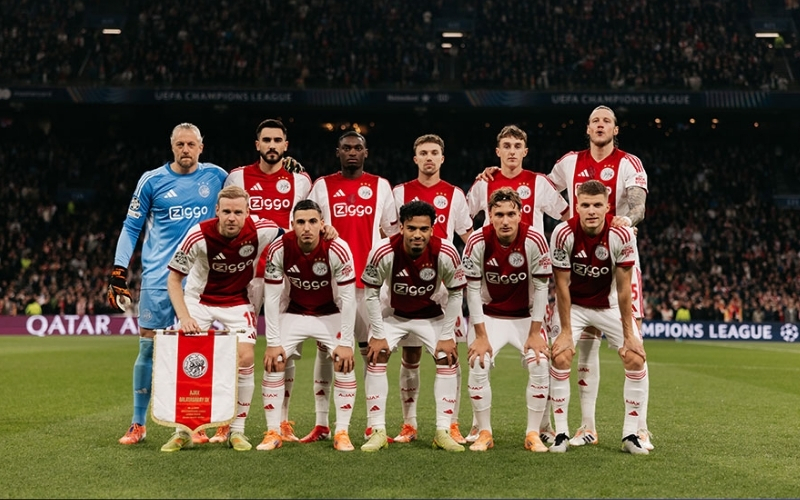
The Johan Cruyff Arena is itself a major asset, estimated at €200 million or more, located in one of Europe’s most desirable cities. Combine that with consistent Champions League participation, a strong commercial network, and global brand recognition built across decades of iconic football, and it’s clear that Ajax should be valued on a whole different level.
Why the market still prices them down? One reason: they play in the Eredivisie, a league with lower TV revenues. But if you value football clubs like businesses, Ajax is not just underrated – it’s one of the most undervalued football clubs in Europe.
Atalanta
Few european football teams have reinvented themselves more impressively than Atalanta. A decade ago, they were a modest mid-table club. Today, they’re a fixture in European competitions, and their success is anything but accidental.
Market Value: €451M
Fair Value Estimate: €750M
Under Gian Piero Gasperini, Atalanta built a system that turns undervalued players into elite performers. They find overlooked talents, develop them, and then either sell them for huge profits or integrate them into a team capable of dominating far richer opponents.
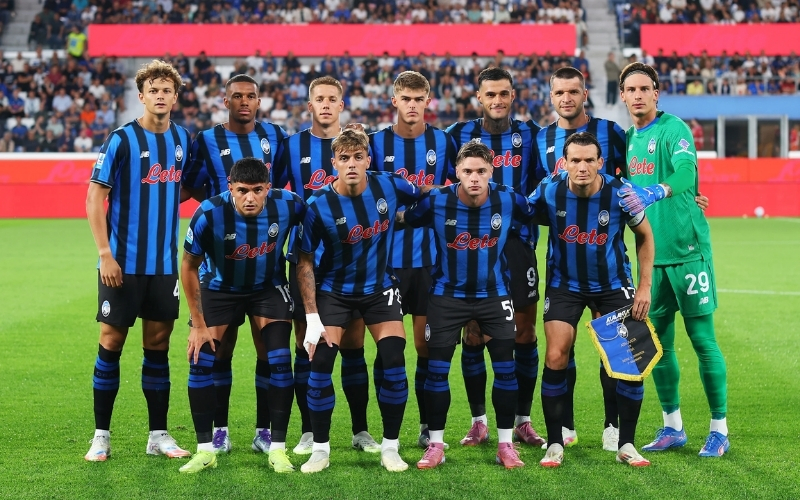
Their 2024 Europa League title wasn’t a shock to anyone who has watched their rise closely – it was a natural extension of a management model rooted in discipline, analytics, and efficiency.
Their renovated stadium, strong finances, elite scouting, and consistent European qualification all contribute to a real fair value closer to €750M. Atalanta has become the blueprint for modern underdog football clubs: smart, sustainable, and incredibly difficult for richer clubs to replicate.
Real Sociedad
Real Sociedad is one of the most underrated football teams in Europe, even though they have built one of Spain’s most stable and impressive football operations. Consistent top-six finishes, a productive academy, and a modern stadium give them fundamentals that many european football clubs envy.
Market Value: €364M
Fair Value Estimate: €600M
Their academy rivals those of Barcelona and Athletic Club for producing Basque talent, with stars like Martin Zubimendi, Mikel Oyarzabal, and Takefusa Kubo forming the backbone of a strong first team.
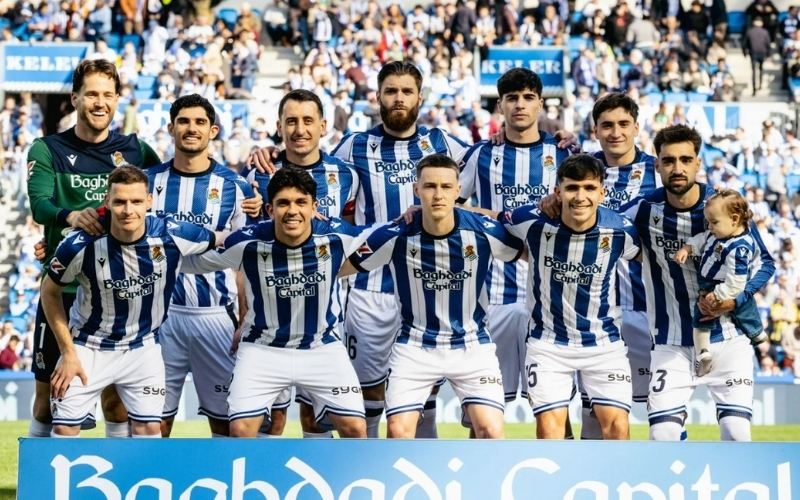
Their financial structure is healthy, their fanbase is loyal, and their stadium – the Reale Arena – is one of La Liga’s best.
They don’t have billionaire owners throwing money around. They don’t chase every shiny new transfer rumor. They run a disciplined, sustainable, well-balanced club, and the market still hasn’t fully caught up.
Brighton & Hove Albion
Brighton might be the best example of how a smart, data-driven model can turn an underdog football club into a consistent top-flight performer.
Market Value: €498M
Fair Value Estimate: €850M
In a little over a decade, Brighton went from playing in a temporary stadium to becoming one of the most admired operations in the Premier League. Their recruitment model – built around analytics, market inefficiencies, and long-term planning – is one of the most advanced in Europe.
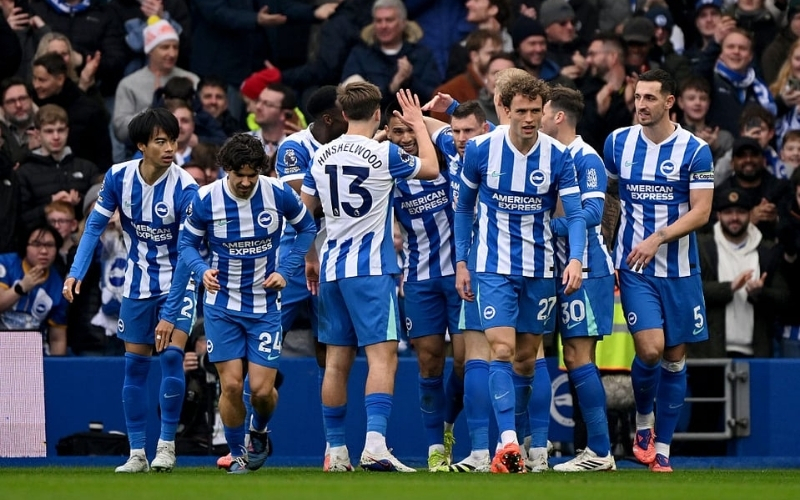
They find undervalued talent early, develop it, and sell for enormous returns:
- Moisés Caicedo → €133M to Chelsea
- Marc Cucurella → €65M to Chelsea
- Alexis Mac Allister → key World Cup winner
And despite selling so many first-team players, Brighton keep improving. The system is bigger than any one manager or player.
Among european football clubs, Brighton may be the most forward-thinking – and the market still hasn’t priced that correctly.
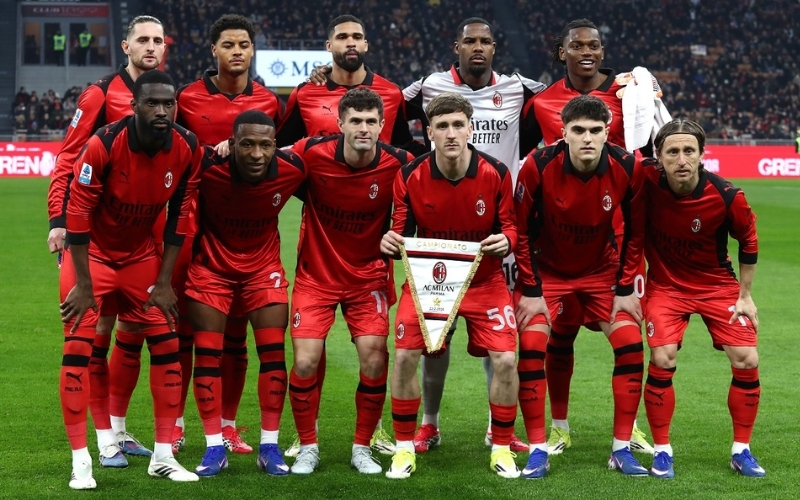
AC Milan
AC Milan’s brand is globally iconic, yet the club still trades at a discount relative to other top european football teams.
Market Value: €1.2B
Fair Value Estimate: €1.8B
With new ownership under RedBird Capital and a team that has returned to consistent Champions League competition, Milan’s long-term outlook has not been this strong in years.
Serie A’s TV revenues are expected to grow, and Milan’s plans for a new stadium (or major redevelopment of San Siro) could significantly increase recurring revenue.
The club’s valuation will likely rise as these infrastructure projects develop, making Milan one of the most undervalued football clubs at the top level.
The Bubble: Europe’s Most Overvalued Clubs
Some european football clubs enjoy valuations driven more by reputation, ownership identity, or history than by present-day fundamentals. Here are the biggest valuation bubbles.
Chelsea
Chelsea’s post-takeover era has been chaotic and expensive. The club has spent over €1 billion on transfers since 2022, yet their league performance has declined, their squad is bloated, and their strategy unclear.
Market Value: €3.5B
Fair Value Estimate: €2.2B
Major issues include:
- A stadium requiring a €2B rebuild or replacement
- FFP pressures
- A spiraling wage structure
- A constantly shifting sporting project
Chelsea is still one of the biggest european football clubs by reputation, but reputation alone cannot sustain such a valuation. Unless the club stabilizes its sporting direction, the current price seems inflated.
Paris Saint-Germain
PSG dominates Ligue 1 but still struggles to convince analysts that their financial structure is sustainable. Ligue 1’s global reach remains limited compared to the Premier League or La Liga, and PSG’s Champions League failures significantly weaken their long-term growth potential.
Market Value: €4.2B
Fair Value Estimate: €2.5B
Their valuation is inflated by:
- Reliance on Qatari-backed sponsorships
- Limited domestic competition
- Loss of Mbappé
- Lack of organic commercial growth
As long as the Champions League remains elusive, PSG will continue to look like an overvalued asset.
Manchester United
Manchester United is still one of the most recognizable european football teams on the planet, but their valuation doesn’t reflect present realities.
Market Value: €5.5B
Fair Value Estimate: €3.8B
Major concerns include:
- €650M+ debt
- A decaying Old Trafford
- Eleven seasons without a Premier League title
- A widening performance gap with rivals
United will always generate strong commercial revenue, but the current valuation assumes a return to glory that doesn’t seem imminent.
Tottenham Hotspur
Tottenham built one of the greatest stadiums in world football, but the on-pitch results haven’t matched the investment. The club has not won a major trophy since 2008 and carries significant stadium-related debt. Revenue improvements are real, but valuations based on trophy-winning trajectories are not.
Market Value: €2.8B
Fair Value Estimate: €2.0B
Spurs represent a classic example of overvaluation tied to infrastructure rather than sporting success.
Newcastle United
Newcastle’s valuation skyrocketed after the Saudi PIF acquisition, but the fundamentals haven’t caught up yet. St. James’ Park is aging, expansion is difficult, and the training facilities still lag behind top sides. FFP restrictions also limit how quickly Newcastle can grow competitively.
Market Value: €900M
Fair Value Estimate: €550M
Until infrastructure and sporting depth improve, Newcastle’s valuation remains inflated.
Why Football Valuation Gaps Matter
Understanding where clubs are overvalued or undervalued isn’t just a financial exercise – it directly affects how fans, bettors, and investors interpret the modern football landscape.
| Aspect | For Fans | For Bettors | For Investors |
|---|---|---|---|
| Key Insight | Financial operations give insight into a club’s future success. | Underrated clubs are often mispriced based on reputation. | Football clubs are viewed as assets with varying growth potential. |
| Benefits | Helps fans understand long-term prospects and stability. | Identifying undervalued teams can offer long-term betting edges. | Spotting undervalued clubs allows for strategic investments. |
| Example | Atalanta and Brighton showcase how smart management beats chaotic spending. | Top bookmakers often favor popular clubs, creating mispriced bets. | Investors can target clubs with strong financial foundations and growth potential. |
Final Thoughts on Undervalued & Overvalued Football Clubs
Football valuations aren’t just about star power or league reputation. They’re about infrastructure, finances, sustainability, recruitment models, and long-term planning. The underrated football clubs highlighted here succeed because they’re built on strong foundations – their valuations simply haven’t caught up yet.
Meanwhile, several overvalued European football clubs are drifting on reputation, brand nostalgia, or owner-backed spending.
In the long run, fundamentals always come out on top. The clubs that build smartly will rise, and the ones that ignore structural problems will eventually be exposed. That’s why anyone looking to understand the future of European football should look beyond the headlines and start paying attention to the real numbers.
FAQ About Undervalued and Overvalued European Football Clubs
⚽ Which European football clubs are the most undervalued right now?
Ajax, Atalanta, Real Sociedad, Brighton, and AC Milan offer the strongest value based on their assets, performance, and sustainable long-term structures.
⚽ Which Football clubs are currently overvalued?
Chelsea, PSG, Manchester United, Tottenham, and Newcastle appear priced above what their fundamentals justify.
⚽ Why do some European football teams become undervalued?
League perception, lower TV revenue, and smaller commercial footprints often hide efficient operations and elite talent development — especially for underdog football clubs.
⚽ Why are some big-name European football clubs overvalued?
Their valuations often lean on history, global branding, or wealthy ownership rather than current sporting performance or financial stability.
⚽ How do you measure a football club’s real value?
Analysts look at revenue, assets, academy output, infrastructure, wage efficiency, debt levels, and long-term earning potential.
⚽ Can underrated football clubs eventually become elite?
Yes. Atalanta, Leicester City, Villarreal, and Brighton have already shown that sustainable models can turn underrated EU football teams into serious contenders.

Crypto and Sports Betting Expert